
 4.7
4.7  (55 reviews)
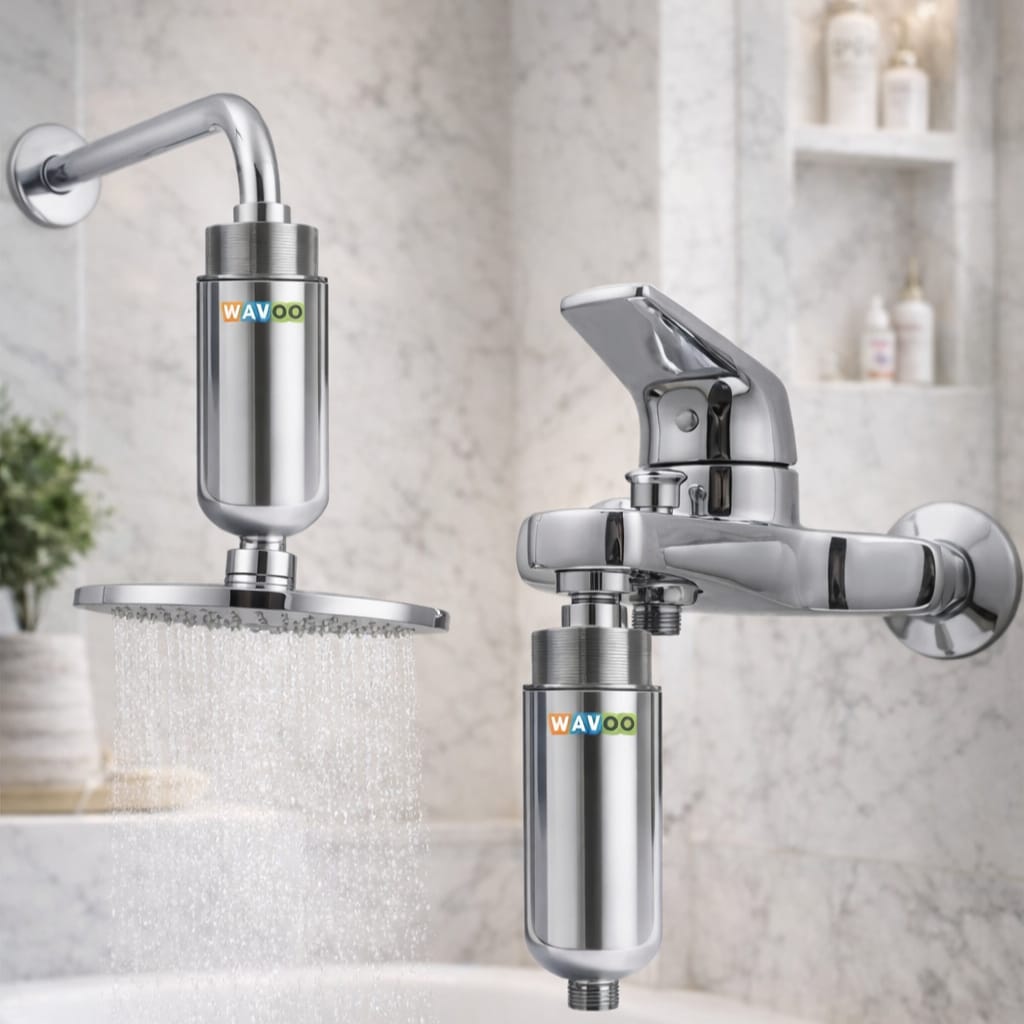
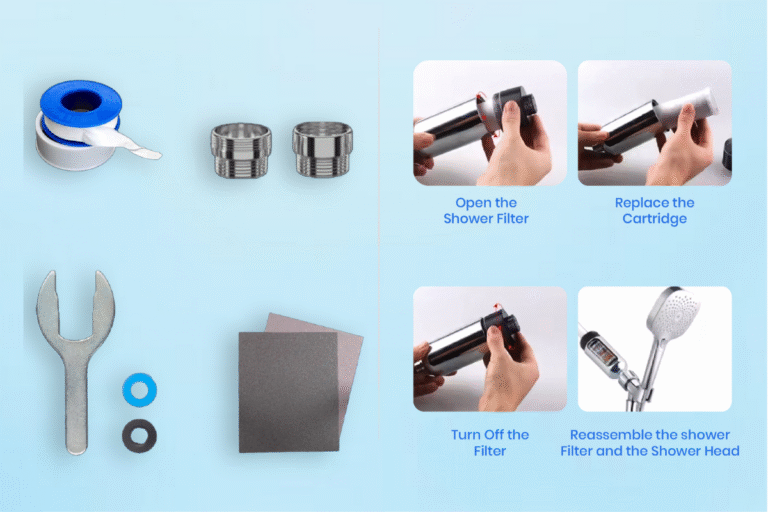
How to Install WAVOO Tap & Shower Filter in 5 Minutes
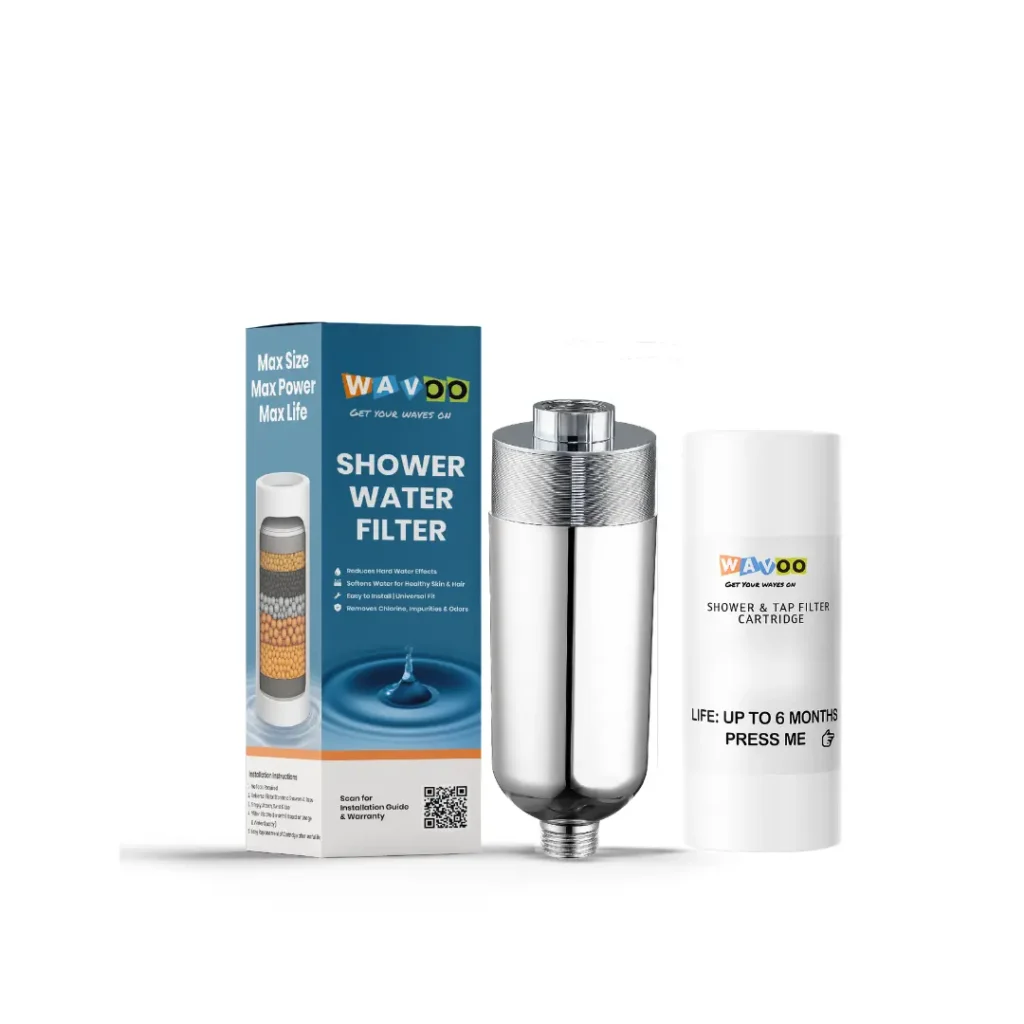
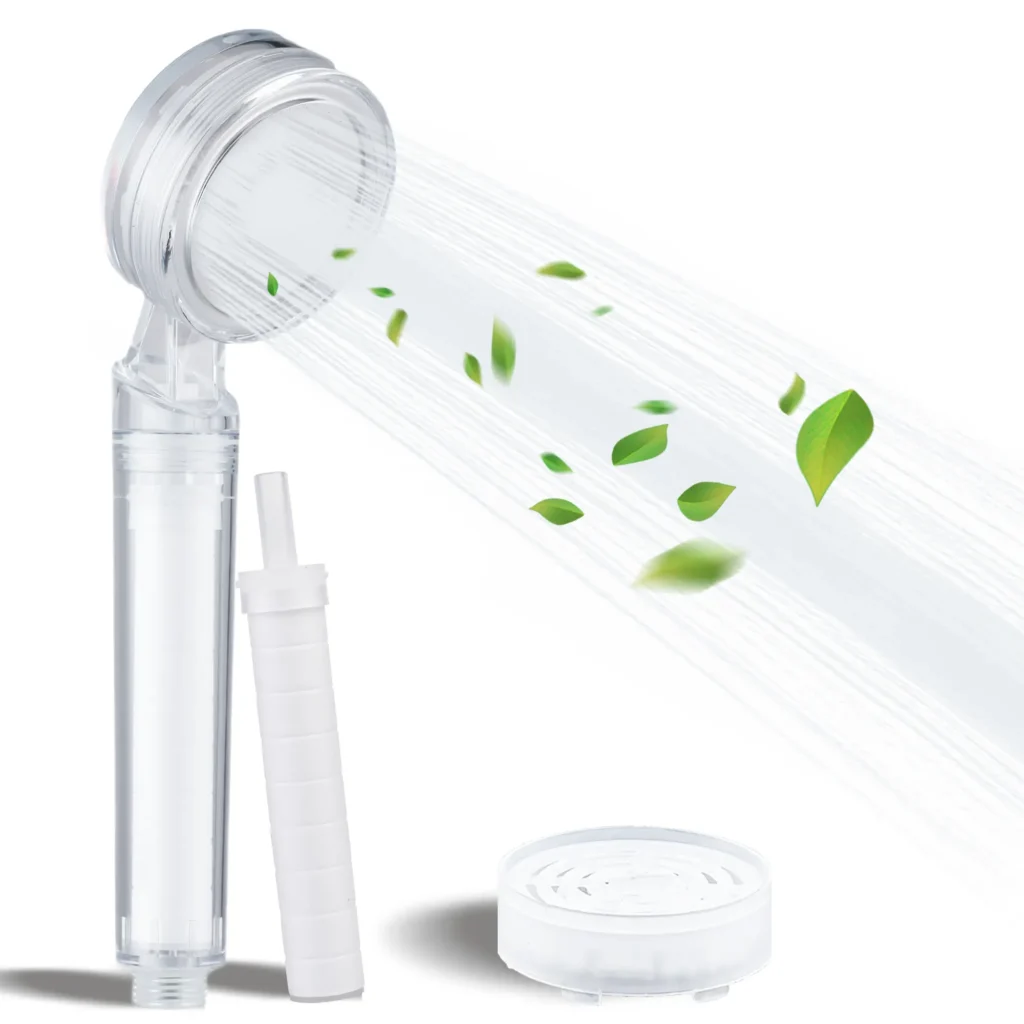
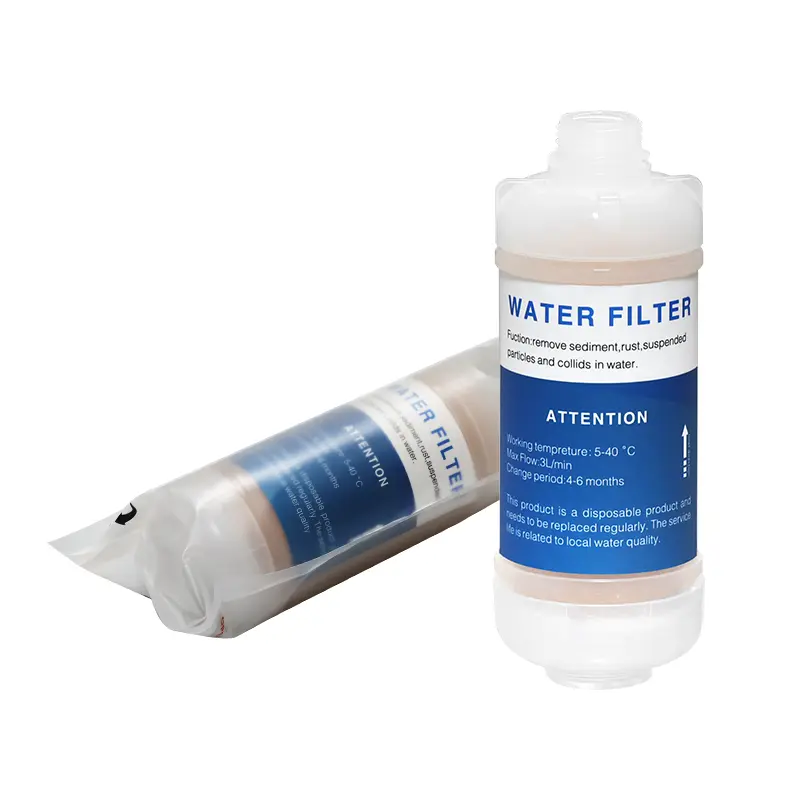
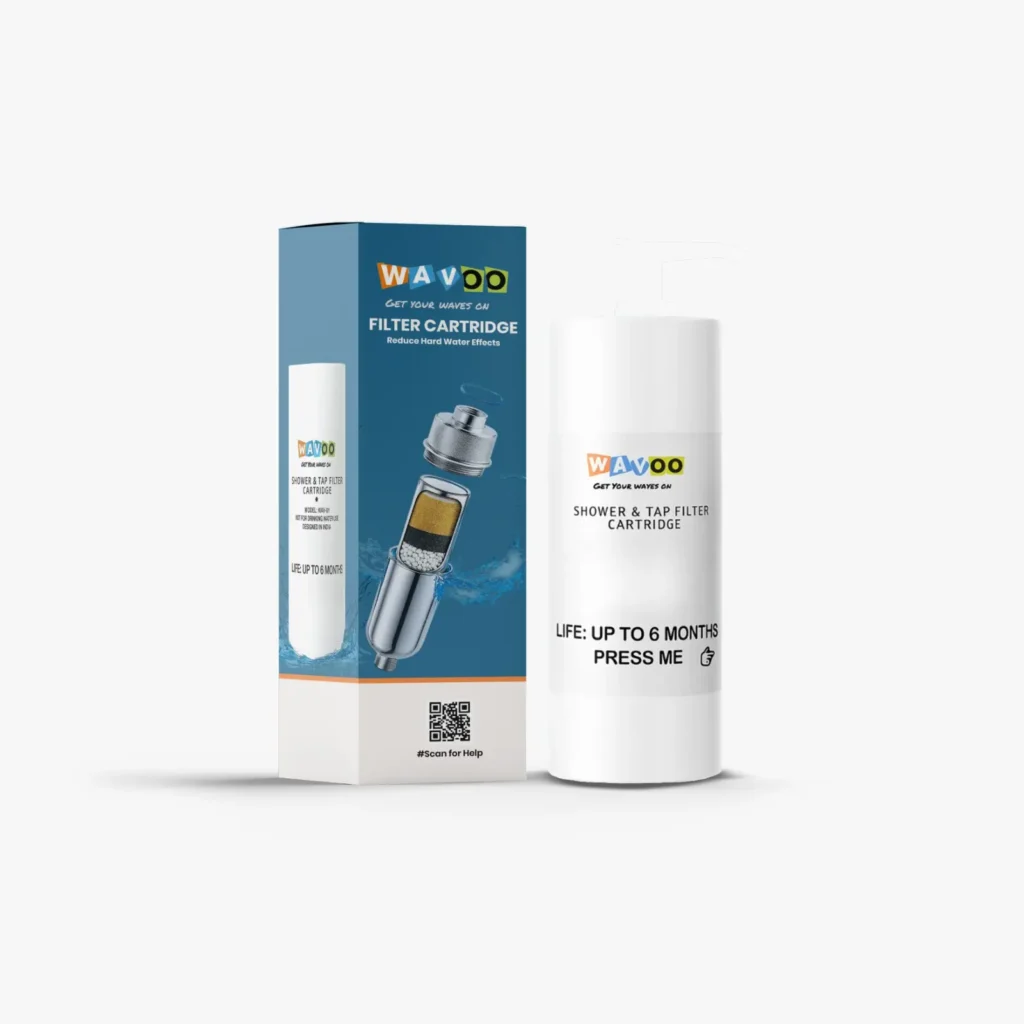
Unbox Your WAVOO Filter Hard water can damage your skin, hair, and bathroom fittings. The WAVOO Tap & Shower Filter is designed for Indian homes,



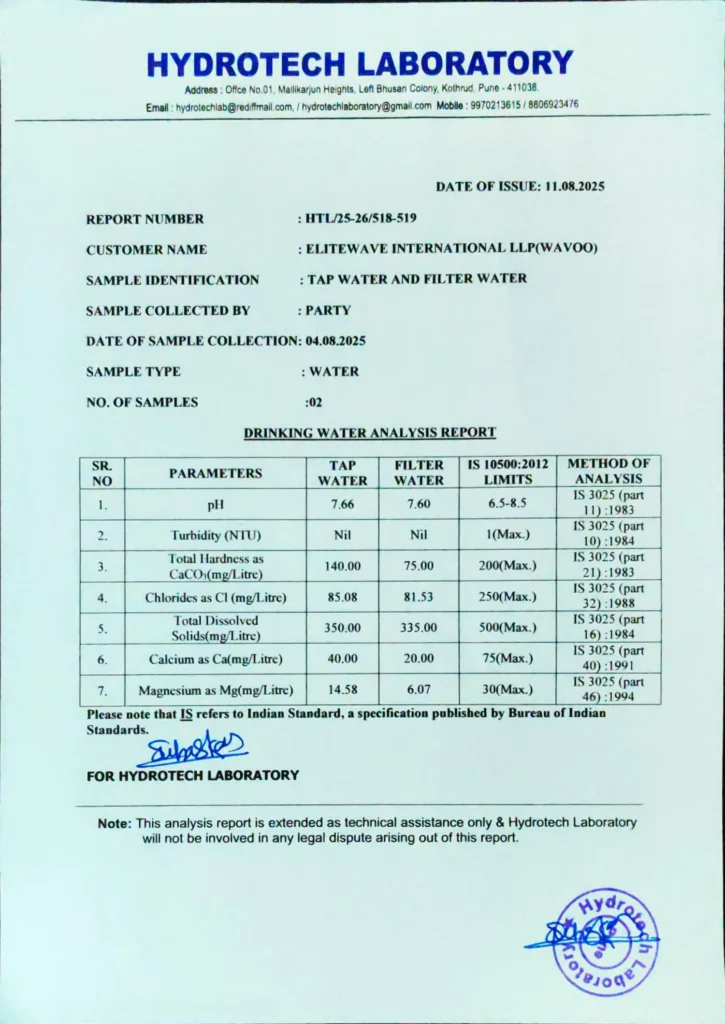
Measures the total amount of dissolved substances in water—like minerals, salts, and some organic matter—usually expressed in ppm (parts per million).
Commonly measured with a TDS meter or derived from EC (electrical conductivity).
But TDS doesn’t indicate what specific minerals are present, and crucially, it doesn’t reflect the presence of hardness-causing minerals.
Indicates the concentration of calcium and magnesium ions in water—also shown in ppm or mg/L.
These minerals are responsible for scale build-up, soap scum, and household appliance damage.
Hard water can hurt appliances, reduce soap efficiency, and leave residue on dishes.
A TDS meter might give you a general idea of total mineral content, but it’s not accurate for measuring hardness.
Water softeners specifically target calcium and magnesium (hardness) — they don’t necessarily reduce overall dissolved solids.
Checking only TDS can mislead consumers: A softener might leave you with low hardness but unchanged or even higher TDS, leading to confusion.
Wavoo Hard Water Softener: Your Solution for Genuine Softness
Here’s how the Wavoo Hard Water Softener stands out:
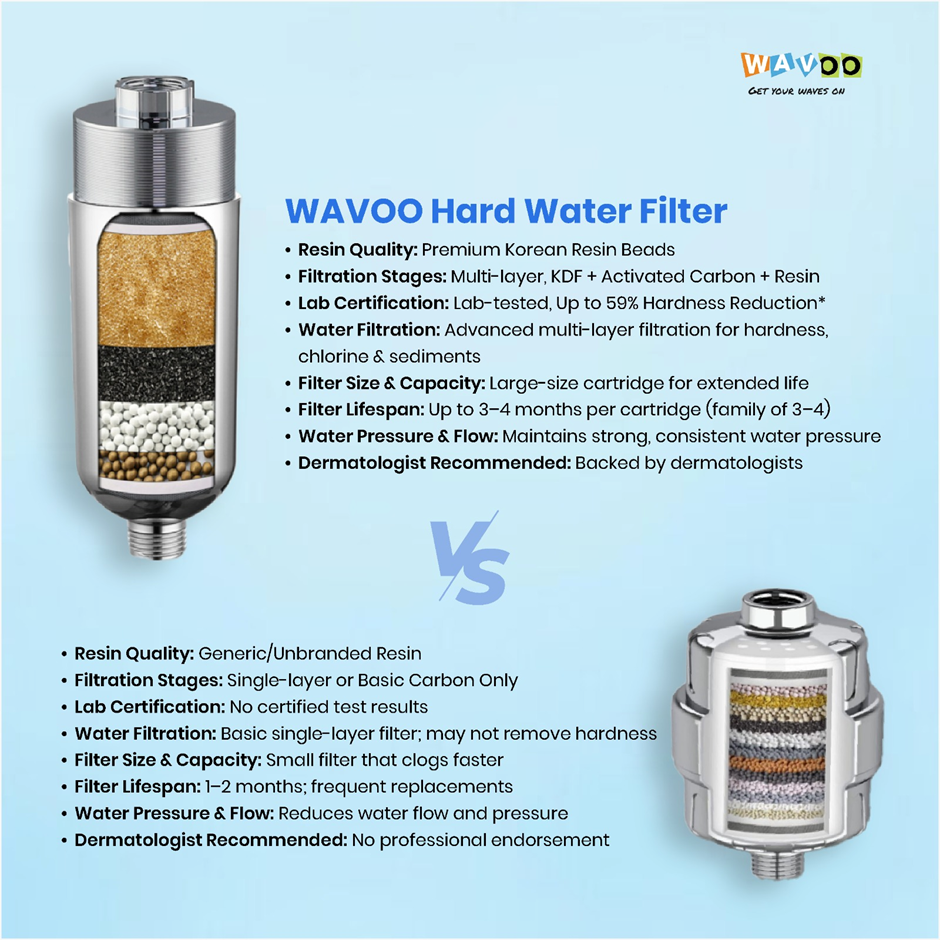
Reduces Ca²⁺ & Mg²⁺ (Hardness Ions): It targets scale-causing minerals so you enjoy soft water, reduces limescale, and protects your appliances.
Doesn’t Reduce TDS: Because it doesn’t demineralize water entirely, TDS stays steady—so don’t rely on TDS readings to judge performance.
Built for Domestic Use: Compact, user-friendly, and effective for households dealing with hard water issues.
Clear Communication: Emphasize “Reduces Hardness, Not TDS” on your Amazon page to avoid confusion.
Instead of measuring TDS, consider:
Unbox Your WAVOO Filter Hard water can damage your skin, hair, and bathroom fittings. The WAVOO Tap & Shower Filter is designed for Indian homes,
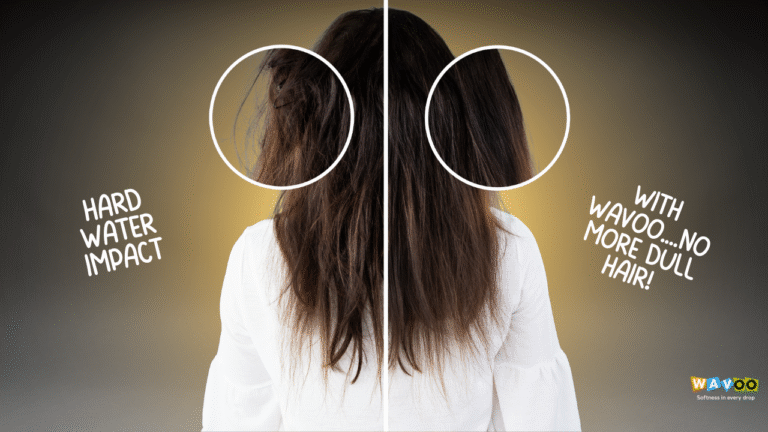
Introduction If you live in India, chances are you’ve already faced the harsh effects of hard water—dry skin, hair fall, dandruff, and stubborn white stains